
After a Night of Shelling — Straight to the Clinic: How UVMF and The Edgard & Cooper Foundation Support Animals in Odesa
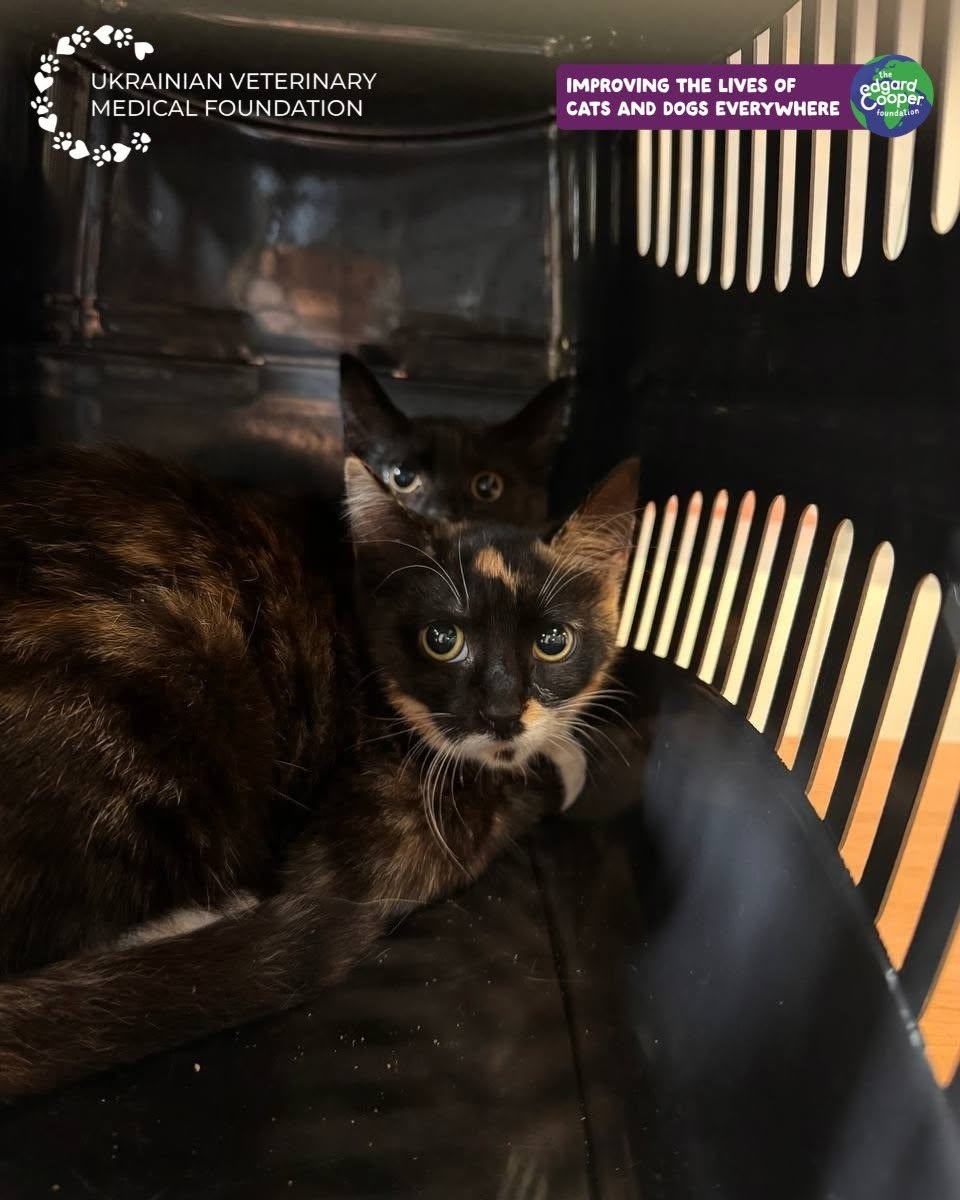
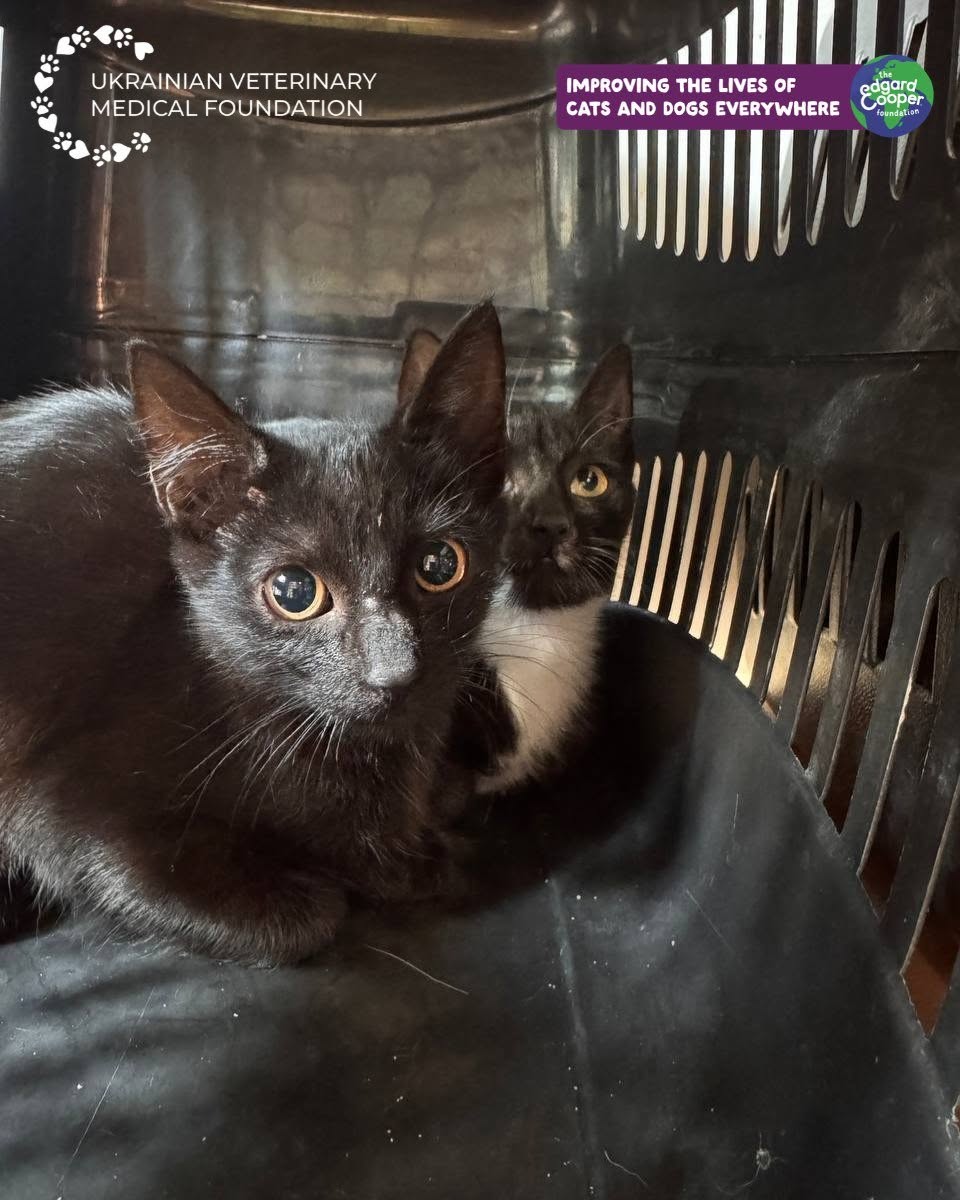
Volunteer Olena Lysenko cares for stray animals and regularly brings them in for spaying and neutering. This time, she brought three young female cats and one male cat to the clinic. The night before, the building where the animals were staying was hit during an attack. Despite everything they had been through, the cats received the veterinary care they needed the very next day.
Olena Lysenko helps stray animals and works to ensure that cats and dogs rescued from the streets or kept in temporary foster care are spayed and neutered. This time, she brought four young cats to the clinic — three female cats for spaying and one male cat for neutering. All of them are under six months old. The animals had been caught the day before their scheduled procedures and were temporarily staying at Olena’s home. That same night, however, the building where she lives was hit during an attack.
According to Olena, everything happened very quickly. The animals were staying in carriers and cages, so she had to urgently move them to a safer place. She made several trips back upstairs to bring all of the animals down. Both Olena and the cats were extremely stressed by what had happened. Nevertheless, the following day she still brought them to the veterinary clinic.
“The cats are very young, not even six months old. Thanks to this program, we have an opportunity to spay and neuter animals free of charge, vaccinate them, and, when necessary, receive veterinary consultations, ultrasound examinations, or X-rays,” Olena said.
At the clinic, the three female cats were spayed and the male cat was neutered. For stray animals, such procedures are especially important. Spaying and neutering help prevent uncontrolled reproduction and reduce the number of kittens and puppies that may later end up living on the streets.
Support Where It Is Needed Most
This case is one of many stories made possible through the partnership between the Ukrainian Veterinary Medicine Foundation (UVMF) and The Edgard & Cooper Foundation. In Odesa, the program operates directly in the city. Volunteers, pet owners, military personnel, and people who independently care for stray cats and dogs can turn to the clinic for veterinary assistance.
Through the program, animals can receive spaying and neutering, vaccinations, veterinary examinations and consultations, as well as additional diagnostics and treatment when needed. This support is particularly important for volunteers. Often, one person may be caring for several or even dozens of animals, making it difficult to cover the costs of spaying, vaccination, diagnostics, and treatment on their own.
The support of The Edgard & Cooper Foundation enables UVMF to provide assistance on a more systematic basis — not only responding to individual urgent cases, but also supporting preventive care, sterilization, and access to regular veterinary services.
A Clinic in Odesa, Mobile Veterinary Care in the Kherson Region
The program extends beyond Odesa. In the Kherson region, veterinary care is provided through a mobile format. Veterinary teams travel directly to communities where animals need assistance.
This approach is particularly important in the region. Due to the security situation, difficult logistics, and limited access to transportation, people are not always able to travel to a veterinary clinic with their animals. Instead, veterinary professionals travel to the communities and provide care directly where the animals and their caregivers are located.
This makes it possible to support not only pets but also stray animals cared for by local residents and volunteers.
Behind Every Procedure Is a Story
For UVMF, the partnership with The Edgard & Cooper Foundation is first and foremost an opportunity to be present where veterinary care is needed most. Behind every spay, vaccination, consultation, or surgery is a real story: a serviceman bringing his dog in for treatment, a volunteer rescuing cats after a night of shelling, or a person who feeds and cares for stray animals near their home every day.
These individual stories are what meaningful, systematic support is built on — making veterinary care available not only to one animal at a time, but also to communities and to the people who take responsibility every day for animals that cannot ask for help themselves.
