
The First Eight-Week VetLingo Course Has Come to an End
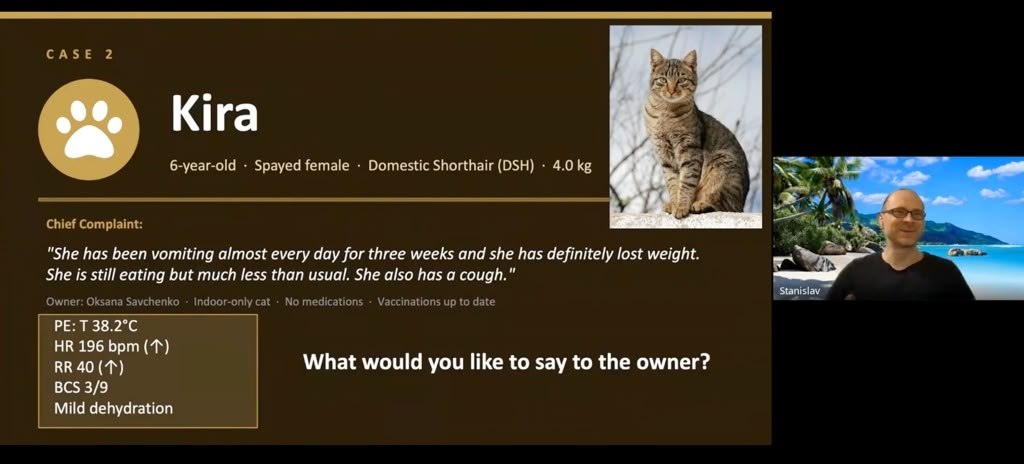
The first eight-week VetLingo course — English for veterinary professionals — has officially come to an end. Over the past two months, participants worked with professional vocabulary, developed their English communication skills, and learned how to use the language in real-life veterinary situations.
VetLingo was created for those who need English not only for everyday communication, but also directly in their professional work — when seeing patients, communicating with colleagues, working with scientific materials, attending conferences, and taking part in international professional projects.
Eight Weeks — From Clinical Communication to Professional Development
The first course was built around situations veterinary professionals may encounter in their everyday practice.
Participants developed their English skills for:
- taking a medical history;
- conducting a clinical examination;
- discussing diagnostics;
- describing symptoms and a patient’s condition;
- discussing treatment;
- communicating with pet owners;
- professional communication with colleagues;
- working with veterinary publications and guidelines;
- participating in international conferences;
- professional and career development.
In other words, English at VetLingo was not an abstract subject. It was a practical tool that participants could apply directly to veterinary practice.
English as a Gateway to the Global Veterinary Community
Modern veterinary medicine is developing within a global professional environment. New research, clinical guidelines, international protocols, conferences, and career opportunities are often available in English.
Professional English therefore helps veterinary specialists not only access information more effectively, but also communicate directly with colleagues from other countries, participate in international events, and discover new opportunities for professional development.
Throughout the course, participants did more than learn new vocabulary — they gradually learned how to use it in a professional context.
And today, we can already see the results of the first cohort in practice.
One of the participants, Stanislav, is already giving lectures in English. Another participant, Maria, works for an international organization operating in Ukraine, using English in her professional environment.
For the VetLingo team, these are especially meaningful results. The goal of the course is not simply to learn new words, but to help veterinary professionals feel more confident using English in their work and professional lives.
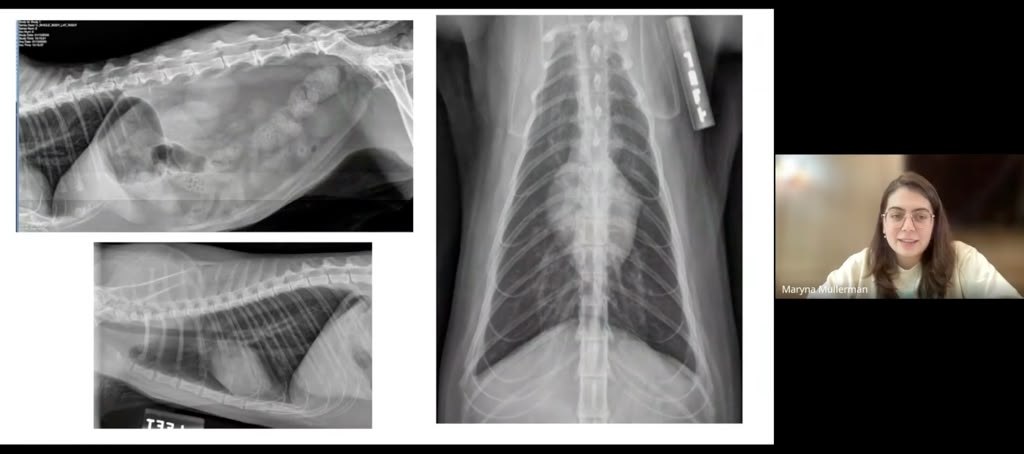
The Atmosphere of the First Course
The first VetLingo cohort brought together motivated veterinary professionals who were ready to develop their skills.
The sessions were active and engaging: participants communicated with each other, completed practical tasks, worked through professional scenarios, and gradually overcame the language barrier.
Photos and videos from the sessions capture the atmosphere of the course — open, dynamic, and focused on practical learning.

What’s Next?
The first VetLingo course may be over, but this is only the beginning.
The next cohort is already in development.
It will be an opportunity for veterinarians and veterinary students who want to:
- speak English more confidently when working with patients and communicating with colleagues;
- read international scientific articles and professional guidelines without constantly reaching for a dictionary;
- prepare for international conferences;
- expand their professional network;
- be ready for new international educational and career opportunities.
VetLingo is English that speaks the language of veterinary medicine.
Follow our updates to be the first to learn about the launch of the next cohort and how to join the course.