
Veterinary Care Where It Is Needed Most: UVMF’s Mobile Veterinary Assistance in the Odesa Region
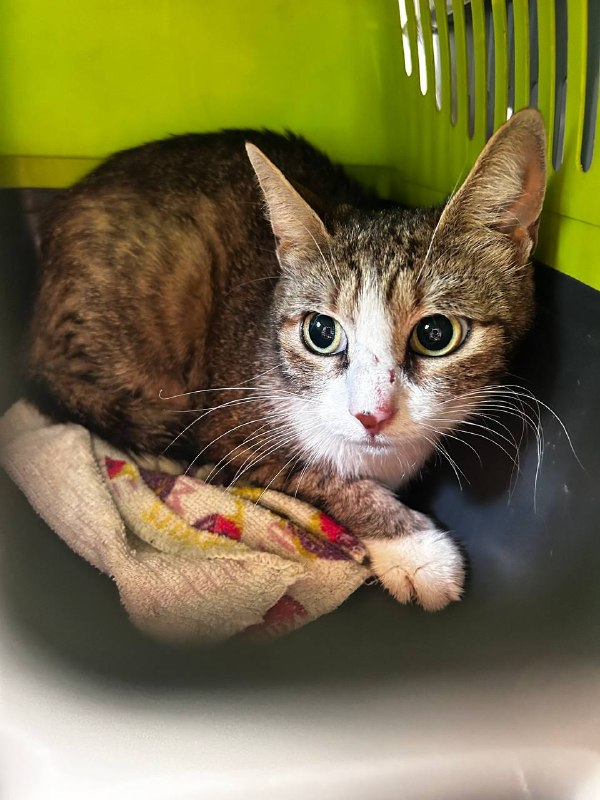
In a veterinary clinic, care starts with a door that can be opened and a patient who can be brought inside. But what happens when the nearest clinic is far away, an animal has no owner, a family cannot afford treatment, or a community is living through the challenges of war?
This is where UVMF’s mobile veterinary assistance makes a difference. Instead of waiting for animals to reach a clinic, veterinary teams travel to communities where help is needed most.
One of these initiatives is the “Mobile Veterinary Assistance — Odesa Region” program, implemented by UVMF with the support of our partner, Deutscher Tierschutzbund e.V.
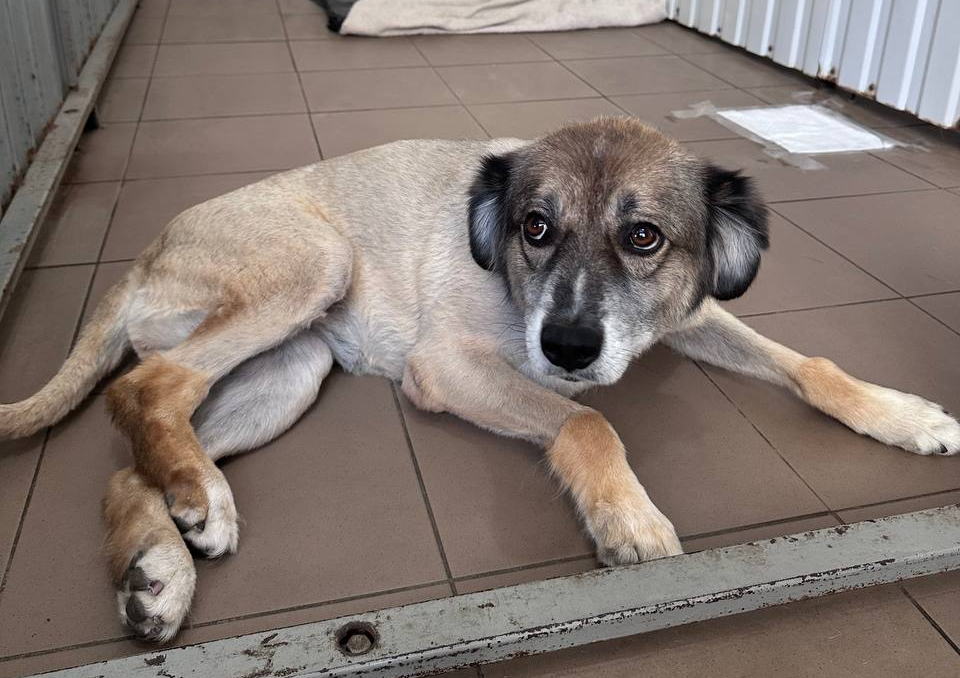
Who needs this kind of support?
The program focuses on animals in particularly vulnerable situations.
Veterinary assistance was provided to:
- stray and ownerless animals;
- animals in partner shelters;
- animals belonging to internally displaced families;
- animals from low-income households;
- animals belonging to war veterans and people affected by hostilities;
- animals cared for by animal welfare volunteers and activists.
The wider program involved 28 partner shelters. Most of the patients were dogs and cats. All services provided within the program were free of charge for the beneficiaries.
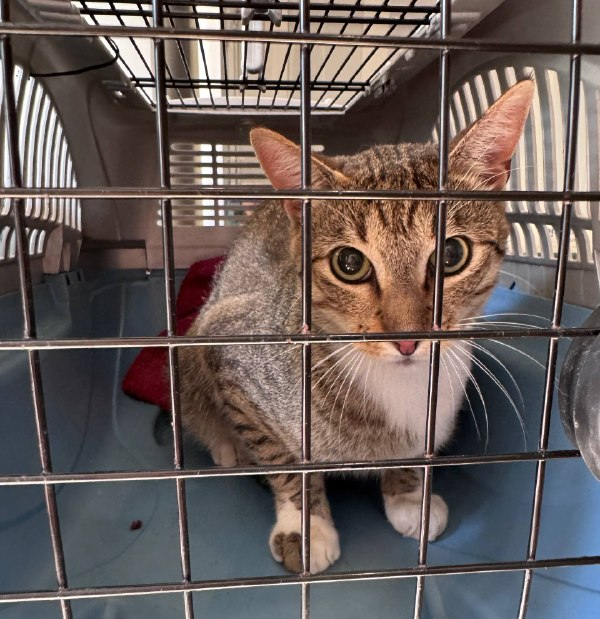
Bringing the clinic to the community
One of the most important features of the program is its mobile format.
UVMF veterinary teams worked across different communities in the Odesa region, combining mobile visits with stationary veterinary service points. The program covered Pivdenne, Bilhorod-Dnistrovskyi and the surrounding area, Avanhard, and Nova Dolyna.
This approach is especially important in communities where veterinary infrastructure is limited or where people may find it difficult to travel to a clinic.
Instead of waiting for an animal to be brought to a veterinarian, the veterinary team comes directly to the community.
During the reporting period, the team made 28 mobile visits.
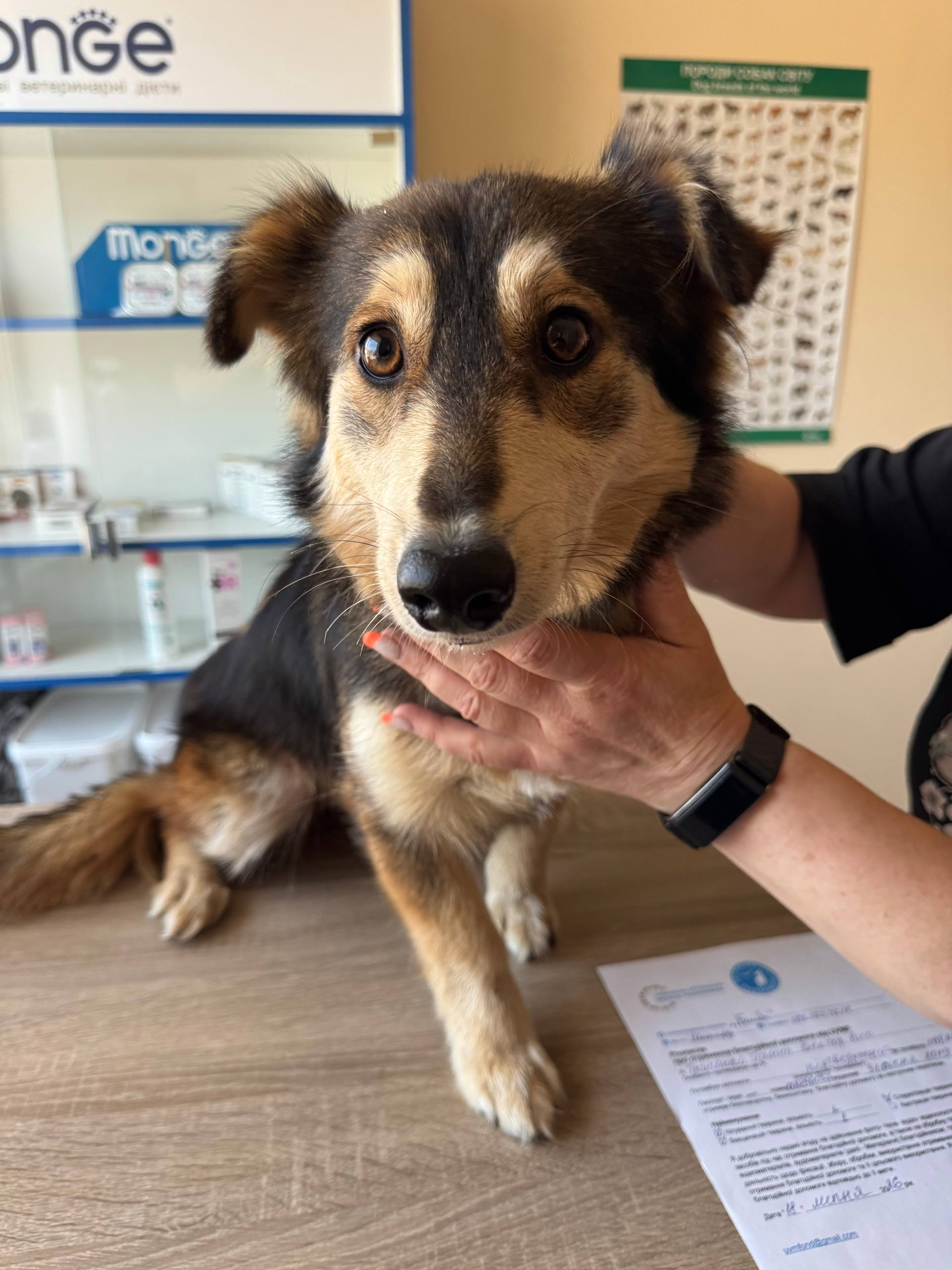
Not only treatment — prevention matters too
Sterilization is one of the key elements of the program. For stray animals, sterilization is more than a medical procedure. It is one of the most effective ways to reduce unwanted litters and, over time, prevent more animals from ending up on the streets.
During the program, veterinarians performed 277 sterilizations, exceeding the initial target.
But the work did not stop there. Animals also received primary medical care, rabies vaccinations, and microchipping. In total, the team provided 546 primary veterinary care procedures, 277 rabies vaccinations, and 277 microchips.
Overall, 823 veterinary procedures were carried out during the reporting period.
Why this matters during wartime
War affects animals too.
Animals can lose their owners, become separated from their families, end up in shelters, or come under the care of volunteers. For a family forced to leave its home, veterinary treatment can become another financial challenge. For a volunteer caring for dozens of animals, even basic veterinary procedures can quickly become a significant burden.
That is why free veterinary care in vulnerable communities is not simply a one-time intervention. It is an important part of long-term support for animals and the people who care for them.
The mobile model allows UVMF to respond where the need exists — and to reach communities beyond major cities.
Results that make a difference
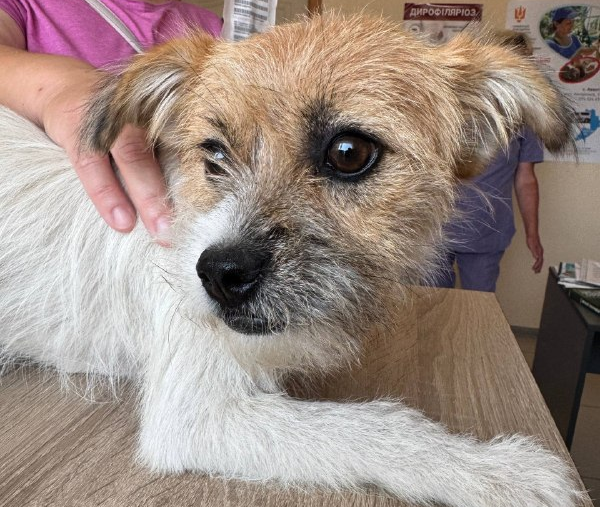
The program demonstrated a strong demand for accessible veterinary care. The planned targets were not only achieved but exceeded: 110.8% of the sterilization target, 109.2% of the target for primary medical care procedures, and 112% of the minimum target for mobile visits were completed.
Behind every number is a real animal that received care.
And that is what makes the program important: it allows teams to act before a problem becomes critical — to come to a community, provide treatment and preventive care, sterilize and vaccinate animals, and ensure their identification through microchipping.
A partnership that brings care closer
Programs like this are only possible thanks to strong partners.
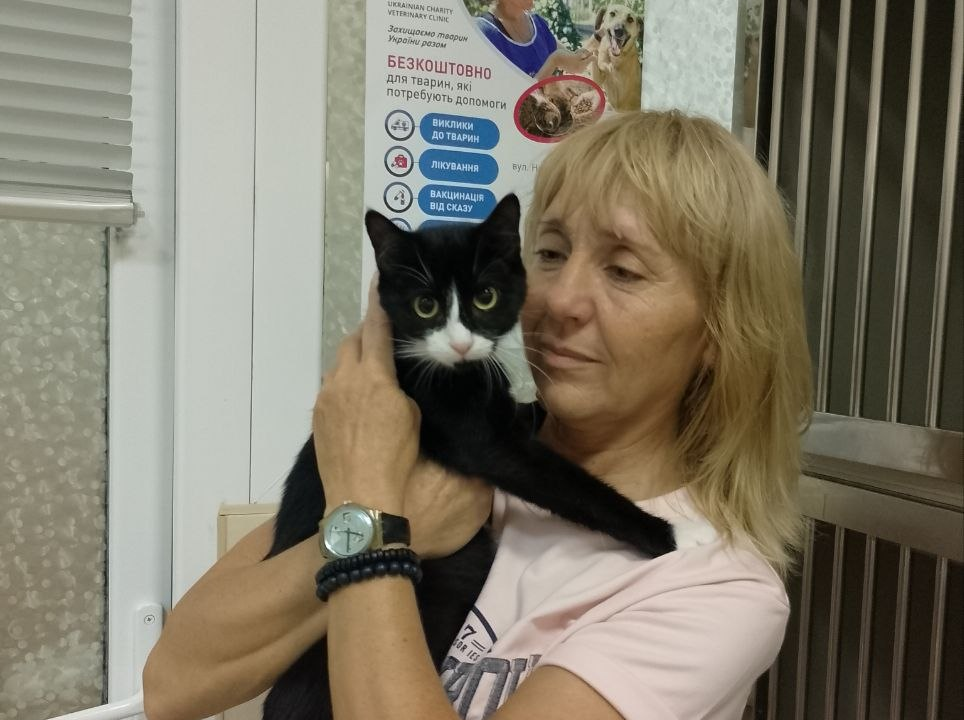
We sincerely thank Deutscher Tierschutzbund e.V. for supporting the program and trusting UVMF to implement it.
This partnership allows our veterinary teams to go beyond the walls of a clinic and bring professional veterinary care directly to communities where access to such services is limited.
We believe that veterinary care in Ukraine should be accessible regardless of where an animal lives, who cares for it, or how difficult the circumstances may be.
We will continue working to bring veterinary care closer to the animals and communities that need it most.

Thank you to Deutscher Tierschutzbund e.V. for making this work possible together.